Chronic Care: Asthma
Welcome and Purpose
Welcome to your asthma chronic care program.
This series is designed to help you understand asthma, gain better control of your symptoms, reduce flare-ups, and feel more confident managing your condition day to day. Asthma is a chronic condition, meaning it does not simply go away. But with the right knowledge and habits, most people can live full, active lives.
We will talk about what asthma is, how medications work, how to prevent attacks, how to use inhalers correctly, and how to create a plan for when symptoms worsen.
You are not alone in this. Asthma management works best when you and your healthcare team work together. This program is here to support that partnership.
Let’s begin by understanding what asthma really is.
What Is Asthma?
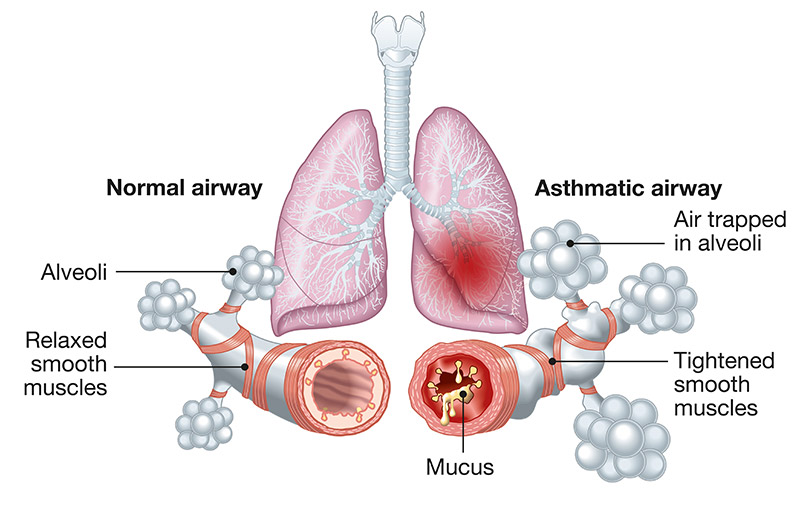
Asthma is a chronic condition that affects the airways in your lungs.
Your airways are small tubes that carry air in and out when you breathe. In asthma, these airways are sensitive and inflamed. That inflammation makes them swollen and more reactive than normal.
When exposed to triggers — such as allergens, cold air, infections, or smoke — the muscles around the airways tighten. This tightening is called bronchospasm. At the same time, the lining swells further and may produce extra mucus.
The result? Narrowed airways. And narrowed airways make it harder to breathe.
This is why asthma symptoms include:
- Shortness of breath
- Wheezing
- Chest tightness
- Cough
Asthma is not just “breathing trouble.” It is an inflammatory disease that requires long-term management.
Common Asthma Symptoms
Asthma symptoms can vary from person to person.
Common symptoms include:
- Wheezing, which is a whistling sound when breathing
- Shortness of breath
- Chest tightness or pressure
- Persistent cough, especially at night
Symptoms often worsen:
- At night or early morning
- During exercise
- With respiratory infections
- With exposure to triggers
Some people experience mild symptoms occasionally. Others have frequent or severe symptoms. Recognizing your personal symptom pattern is an important step toward control.
What is an Asthma Flare-up?
An asthma flare-up — also called an exacerbation or asthma attack — is a worsening of symptoms.
During a flare-up:
- Breathing becomes more difficult
- Rescue inhaler use increases
- Coughing or wheezing worsens
- Sleep may be interrupted
Severe flare-ups may require urgent medical care.
The good news is that many exacerbations can be prevented with consistent treatment and early action when symptoms begin to worsen.
Later in this program, we will discuss how to recognize early warning signs and follow your asthma action plan.
What causes Asthma?
Asthma develops due to a combination of genetic and environmental factors. If you have allergies, eczema, or a family history of asthma, your risk may be higher.
Environmental exposures also play a role, including:
- Tobacco smoke
- Air pollution
- Workplace irritants
- Viral infections
Asthma is not caused by weakness or lack of fitness. It is a medical condition involving airway inflammation and hyperreactivity.
Understanding that asthma has biological causes helps remove stigma and blame.
Asthma Triggers
Triggers are substances or conditions that cause airway narrowing.
Common triggers include:
- Pollen
- Dust mites
- Pet dander
- Mold
- Cigarette smoke
- Cold air
- Strong odors
- Respiratory infections
- Exercise
Not everyone has the same triggers. Identifying your specific triggers is one of the most powerful tools in asthma management.
Identifying Your Personal Triggers
Start by asking:
- When do my symptoms occur?
- Where was I?
- What was I exposed to?
- Was I sick at the time?
Keeping a simple symptom journal can help reveal patterns.
For example:
If symptoms worsen every spring, pollen may be a trigger.
If symptoms occur at work, occupational exposure may be involved.
Recognizing patterns helps you reduce exposure and prevent flare-ups.
Allergic vs Non-Allergic Asthma
Some people have allergic asthma. Their symptoms are triggered by allergens like pollen, dust mites, or pets.
Others have non-allergic asthma, triggered more by:
- Cold air
- Infections
- Stress
- Exercise
- Irritants like smoke
Many people have a combination of both. Treatment may be similar, but identifying allergic triggers can sometimes allow
The Goals of Asthma Control
Asthma control means:
- Minimal daytime symptoms
- No nighttime awakenings
- Rare need for rescue inhaler
- Ability to exercise normally
- No emergency visits
- No oral steroid bursts
Good asthma control is achievable for most patients. The goal is not just “less bad.” The goal is normal life with minimal limitation.